Frequently Asked Questions About Squirrel Removal
What species of squirrels are common in Tuckahoe, VA?
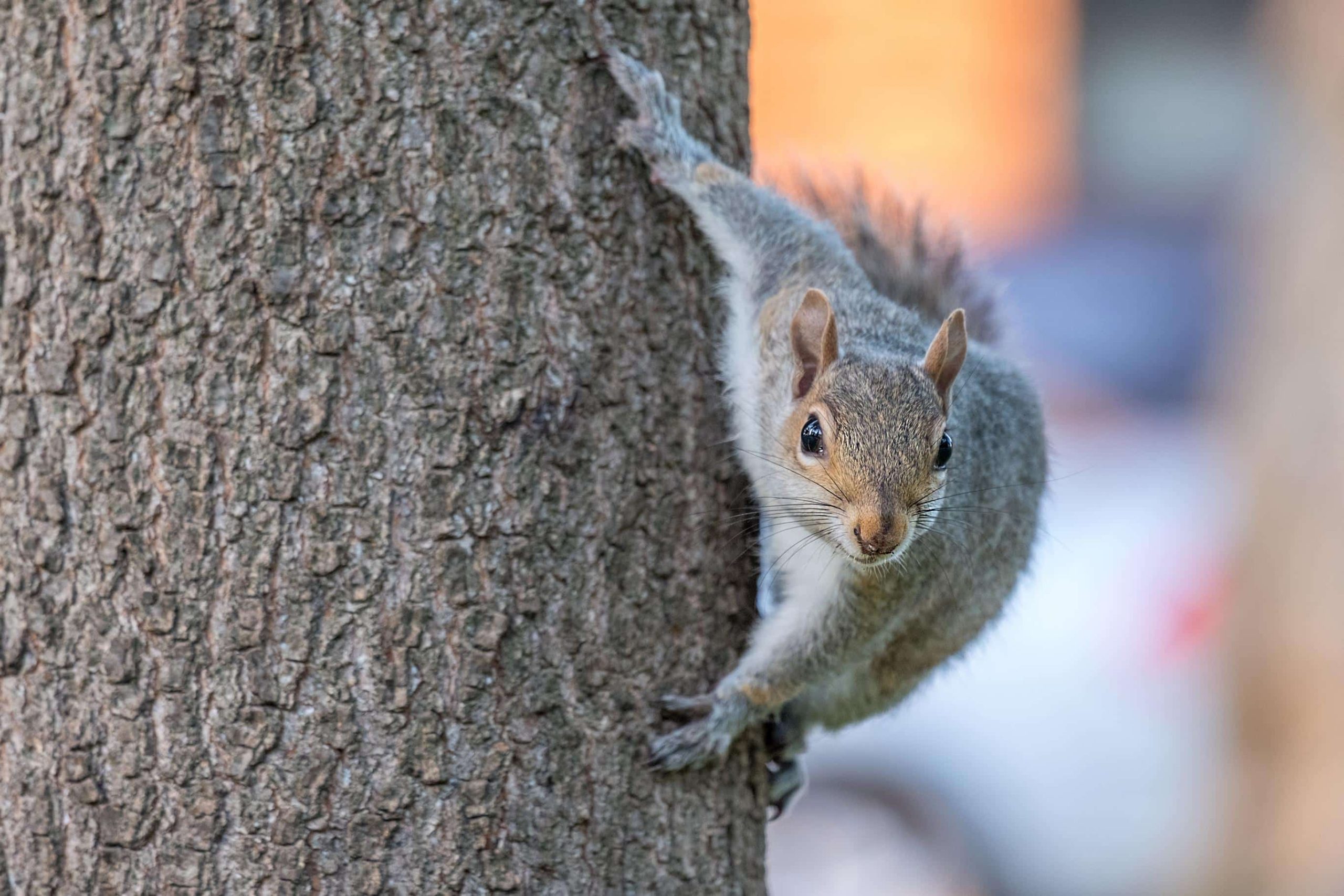
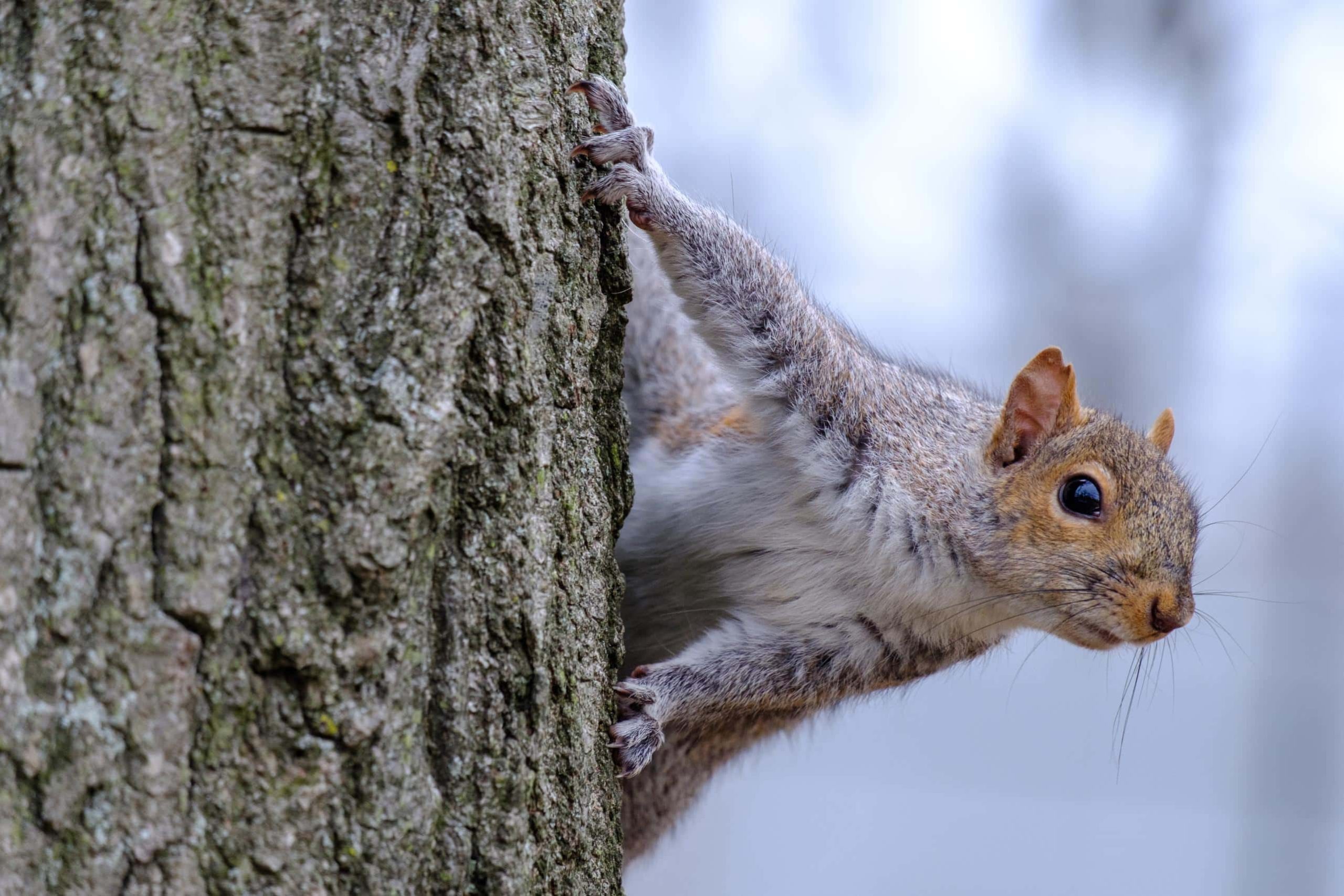
Eastern gray squirrels and fox squirrels are the most common species in our area. Occasionally, southern flying squirrels may be found, especially in wooded or older neighborhoods.
How can I tell if squirrels are in my attic or walls?
Common signs include scratching or scurrying noises, especially at dawn and dusk, droppings in attics or crawl spaces, chewed wiring or insulation, nesting material, and entry holes in soffits or rooflines.
Are squirrels dangerous to my home?
Yes. Squirrels can cause structural damage by chewing through wood, soffits, vents, fascia, and siding. They also damage insulation and wiring, which can create fire hazards and costly repairs.
Can squirrels carry diseases or parasites?
Squirrels can carry fleas, ticks, and mites that may spread to pets or humans. While direct disease transmission is uncommon, their droppings and nesting materials can harbor pathogens and should be handled carefully.
How do squirrels get into houses?
Squirrels enter through gaps around rooflines, damaged vents, loose shingles, chimney openings, soffits, and eaves. They can chew new entry points or reuse existing gaps created by weather or rot.
What does your squirrel removal process involve?
We perform a thorough inspection to identify species, entry points, and the extent of infestation. We then remove squirrels and implement exclusions and repairs consistent with State and Federal law, seal entry points, and clean or recommend cleanup of contaminated insulation and nesting areas.
Do you remove baby squirrels if they’re in the attic?
We assess each situation individually and handle removals and exclusions within State and Federal law. If young are present, we follow legal protocols to address them safely and effectively while preventing further re-entry.
Will squirrels come back after removal?
Proper exclusion and repair of entry points significantly reduce the chance of re-infestation. We use industry-standard exclusion techniques and inspect for any remaining vulnerabilities to prevent return visits.
Can I try to remove squirrels myself?
DIY removal can be risky and may violate local or federal wildlife regulations. Improper handling can lead to injury, incomplete exclusion, or legal issues. Professional assessment ensures compliance with laws and effective long-term solutions.
How long does the removal and exclusion process take?
Timeframes vary by property and infestation size. An initial inspection allows us to provide an estimated schedule for removal, exclusions, and any recommended repairs or cleanup.
Do you repair damage caused by squirrels?
We identify and can coordinate or perform repairs related to entry points and minor structural damage. For major structural or insulation replacement, we can recommend qualified contractors to restore affected areas.
Will my pets be affected by the removal methods?
We assess risks to household pets and take precautions to minimize impact. We do all removals and exclusions within State and Federal law and follow safety protocols to protect people and pets during the process.
What preventive measures can I take to keep squirrels away?
Regularly inspect and maintain rooflines, seal gaps around vents and soffits, trim tree limbs away from the roof, secure attic vents and chimneys, and remove outdoor food sources that attract wildlife.
Do you offer follow-up inspections or guarantees?
We offer follow-up inspections to verify the effectiveness of exclusions and to check for new activity. Specific service guarantees vary by situation; we discuss available options during the inspection.
What should I do if I find a dead squirrel on my property?
Avoid direct contact and keep pets away. We can safely remove carcasses and assess the area for contamination or signs of additional animals while following state and federal guidelines.